Floral Wreaths Vector Line Art Review
As a designer who spends more time than I care to admit staring at stitch density charts and troubleshooting thread tension, I approach every new embroidery file with a healthy dose of skepticism. The market is flooded with digital assets that look stunning in a preview window but fall apart when the needle hits the fabric. That is exactly why I decided to put Floral Wreaths Vector Line Art through its paces. This isn't just about how it looks on a screen; it is about how it translates into a tangible, sellable handmade product.
First Impressions: Clean Lines and Versatile Mood
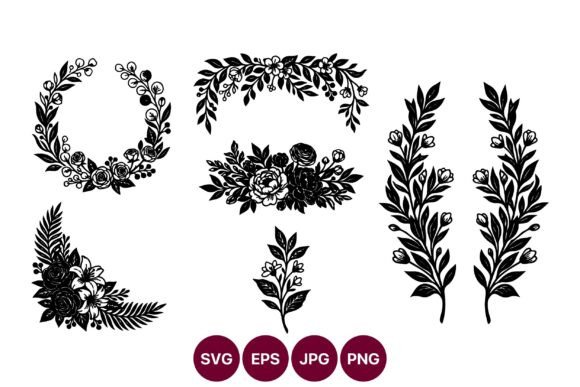
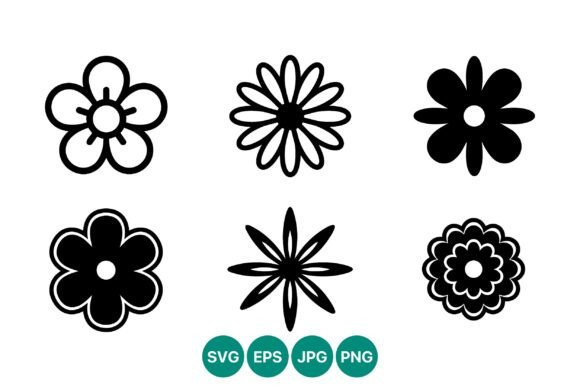
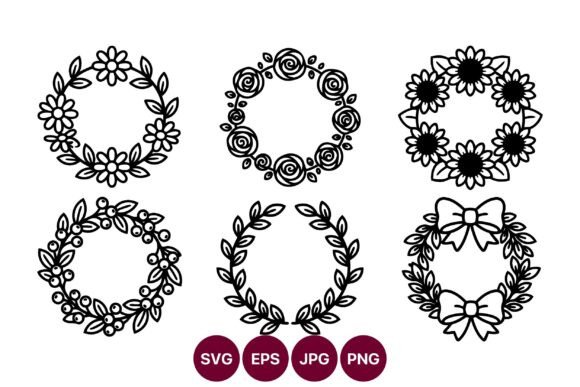
When you first open the ZIP folder containing this set of Illustrations, the immediate takeaway is clarity. We are looking at six distinct black and white vector wreath designs arranged in circles. The aesthetic is strictly line art, which immediately signals elegance and simplicity. In the world of machine embroidery design, line art can be a double-edged sword. Too thin, and the stitches disappear or puckers form; too thick, and you lose the delicate nature of the original artwork.
The mood here is sophisticated yet approachable. It feels like something you would see on a high-end wedding invitation or a boutique brand logo. For an Etsy seller or a small shop product creator, this visual personality is gold. It doesn’t scream for attention; it invites the viewer in. The circular arrangement creates a natural focal point, making it perfect for central placements on garments or home decor items. It feels timeless, avoiding the trap of trendy motifs that will look dated in six months.
Real-World Application: From Screen to Stitch
I wanted to see how Floral Wreaths Vector Line Art would perform in a practical scenario. My test case was a custom embroidered tote bag for a client’s bridal shower gift. Tote bags are a staple for any craft business, but they present unique challenges regarding fabric stability and hoop size. Because the design relies on clean vectors, I knew I had to pay close attention to the stitch density during digitizing.
On a sturdy canvas tote, the line art held up beautifully. By converting the vectors into appropriate stitch types—likely a mix of satin stitch for the outlines and running stitch for finer details—the design maintained its crispness. The result was a finished product that looked professional and polished. Clients love this kind of work because it elevates a simple item into a keepsake. The contrast between the black thread and the natural canvas made the floral motifs pop without overwhelming the bag’s utility.
I also tested this concept on a sweatshirt embroidery project. Here, the versatility of the Graphics shines. The circular wreath format frames text perfectly. Imagine placing a name or a date inside the wreath on the chest area of a crewneck. It adds a layer of customization that drives engagement and perceived value. For holiday embroidery, this style works exceptionally well as a minimalist accent on kitchen towels or pillow covers, offering a subtle nod to the season without being kitschy.
Where Caution Is Required
No design is flawless, and honest review requires pointing out where things might get tricky. Floral Wreaths Vector Line Art is not a one-size-fits-all solution. If you are planning to use this on curved surfaces like caps or hats, you need to be very careful with your hoop placement. The circular shape can distort if the fabric stretches unevenly under the hoop pressure.
Similarly, small hoop sizes require a critical eye. While the design is scalable, reducing it too much can cause fine lines to merge together during stitching. On textured fabrics, such as heavy denim or boucle wool, the definition of the line art may soften significantly. I recommend testing on scrap fabric first to ensure the thread colors provide enough contrast against the background. Dark fabric can swallow up thin lines unless you use a heavier weight thread or adjust the digitizing to increase the stitch width slightly.
Another area to watch is dense stitch areas. If the original vectors have overlapping elements that translate into high-density zones, you risk puckering, especially on thin fabrics or stretchy knits. Always inspect the small details before finalizing the file. If the design includes tiny lettering within the wreath, ensure it remains legible after stitching. Decorative accents are great, but functionality should never be sacrificed for aesthetics.
Impact on Brand and Customer Trust
For commercial embroidery projects, presentation matters. A well-executed embroidery project builds trust. When a customer receives a personalized gift or a piece of custom apparel that features clean, precise stitching, it reflects positively on the maker’s skill. Messy stitches or misaligned designs can make even a high-quality garment look cheap. Floral Wreaths Vector Line Art, when stitched correctly, conveys professionalism and attention to detail.
This design also enhances brand consistency. If you are building a boutique brand identity, having a cohesive library of design assets allows you to create matching sets—perhaps a matching apron and tea towel for a housewarming gift. The line art style is neutral enough to fit various color palettes, allowing you to adapt the same embroidery project for different seasons or occasions simply by changing the thread colors. This flexibility is crucial for digital product sellers who want to offer mockups that appeal to a broad audience.
Practical Designer Notes for Success
To get the best results from these Illustrations, follow these practical steps:
- Test on Scrap Fabric: Never assume a design will stitch perfectly on the final material. Always run a test on a similar fabric type to check for puckering or distortion.
- Check Thread Color Contrast: Black and white vectors are versatile, but your thread choice determines visibility. Light threads on dark fabric or vice versa usually yield the clearest results.
- Review Stitch Density: Ensure the digitized file does not have excessive density in small areas. Adjustments may be needed to prevent bulkiness.
- Confirm Hoop Size: Make sure the design fits comfortably within your machine’s hoop limits, leaving room for stabilizer and proper tension.
- Inspect Small Details: Zoom in on the digital file to identify any tiny elements that might become indistinguishable after stitching.
- Use Proper Stabilizer: The right stabilizer is non-negotiable for maintaining shape, especially on woven fabrics or delicate materials.
- Verify Licensing: Before selling finished items or using these as part of a printable mockup service, confirm the licensing terms. Some digital embroidery files have restrictions on commercial use.
In conclusion, Floral Wreaths Vector Line Art is a strong addition to any designer’s toolkit. It offers a refined aesthetic that translates well into various handmade products, from tote bag design elements to baby embroidery accents. With careful preparation and an understanding of its limitations, this set can help you create memorable, high-quality goods that stand out in a crowded marketplace.