Leaf Vine Floral Clipart Graphics and Illustrations Review
When I take on a new client project, especially for small businesses or handmade brands, the first thing I look for is visual cohesion. It is not just about picking something that looks pretty; it is about finding a graphic design asset that supports the brand story without overpowering it. Recently, I was tasked with developing a visual identity for a boutique skincare line that wanted to emphasize natural ingredients and organic growth. The brief called for something elegant, understated, and distinctly botanical. This is where I evaluated the Leaf Vine Floral Clipart set to see if it could serve as a foundational element for their brand identity.
The First Impression: Calm and Minimalist
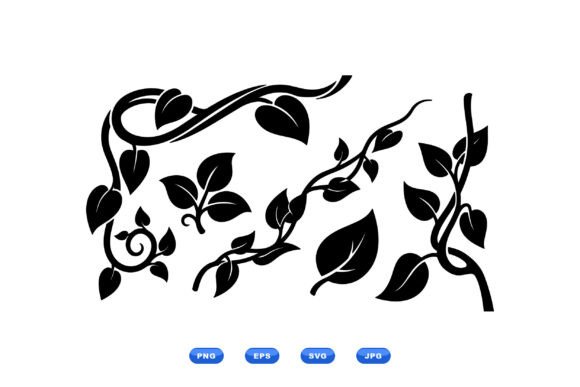
Upon opening the ZIP file, which contains SVG, PNG, EPS, and JPEG formats, the immediate takeaway is the clean execution of the vector paths. The design features a minimalist silhouette style, displaying curling vine stems and stylized leaves that exude a sense of calm. For a designer, this is crucial. In an era where audiences are bombarded with cluttered visuals, there is a growing demand for modern design that breathes. This clipart does not scream for attention; instead, it whispers elegance.
The aesthetic fits perfectly into the current trend of nature-themed editorial artwork. It feels timeless rather than trendy, which is a significant advantage for clients who want their packaging or marketing materials to remain relevant for years. The silhouettes are sharp yet fluid, suggesting movement and organic growth. This makes it an ideal candidate for projects that require a touch of sophistication without the heaviness of detailed, realistic illustrations. It bridges the gap between rustic charm and contemporary minimalism, making it versatile for various industries, from wellness products to artisanal food branding.
Real-World Application in Client Projects
I tested this asset across several mockups to simulate real-world usage. Here is how it performed in different contexts:
- Packaging Design and Product Labels: For the skincare client, I placed the leaf vine motif on a matte black box. The contrast was striking. Because the asset is a silhouette, it reproduced beautifully at small sizes on product labels. It added a premium feel to what could have been a generic package. It works exceptionally well for packaging design where space is limited but visual impact is required.
- Social Media Graphics and Pinterest Pins: I integrated the vines into Instagram post templates. They served as perfect framing elements, guiding the viewer’s eye toward the central text. As social media graphics, they helped establish a consistent visual rhythm across the feed. When used as decorative accents, they elevated the overall look of the content, making it appear more curated and professional.
- Merchandise and Print-on-Demand: I ran a test print on a tote bag and a ceramic mug. The SVG format ensured that the lines remained crisp even when scaled up. This is vital for print-on-demand sellers who need assets that maintain quality across different substrates. Whether creating a t-shirt design or a sticker sheet, the clean edges prevent pixelation issues common with raster images.
- Cricut Projects and Sticker Design: For crafters using Cricut or Silhouette machines, the cut files were precise. The curves of the vines did not result in unnecessary weeding errors. This makes it a practical choice for sticker design and vinyl decals, allowing users to create intricate details with ease.
Where the Asset Shines
This illustration performs best when given room to breathe. It is excellent for large layout areas, such as hero graphics on a website or full-page backgrounds in digital magazines. The curling stems allow for dynamic composition, enabling designers to create custom borders or corner flourishes. It is also highly effective in themed collections, where multiple botanical elements can be combined to create a cohesive suite of design assets. For example, using these vines alongside simple typography can create a sophisticated look for wedding invitations or event programs.
In the context of editorial design, these elements can break up long blocks of text without distracting from the content. They add a layer of visual interest that enhances readability by providing gentle visual pauses. Furthermore, for web design, the lightweight SVG code ensures fast loading times while maintaining high resolution on retina displays.
Areas Requiring Careful Consideration
No single asset is a magic bullet, and there are situations where Leaf Vine Floral Clipart requires careful handling. Due to its minimalist nature, it can get lost in crowded layouts. If you are designing a busy flyer with lots of text and competing images, this silhouette might fail to make an impact. In such cases, it should be used sparingly as a subtle background texture or a tiny accent.
Additionally, low-contrast designs pose a challenge. On a light gray background, a dark green or black silhouette might lack sufficient punch. Designers must always check contrast ratios to ensure visibility. It is also less suitable for projects that require very clean, corporate visual hierarchies, such as financial reports or tech startup logos, unless the goal is to inject a specific organic or eco-friendly personality into a rigid structure. In those scenarios, the asset might clash with the intended tone of authority and precision.
Practical Designer Notes for Commercial Use
Before incorporating this asset into any commercial design, there are several technical checks every professional should perform:
- Black and White Test: Always view the design in grayscale. This helps verify that the shape and form hold up without relying on color to convey meaning. If it looks weak in black and white, it will likely struggle in color.
- Scale Testing: Preview the asset at both small (favicon size) and large (billboard size) scales. Ensure that the fine details of the leaves do not blur or disappear at smaller resolutions.
- Font Pairing: Experiment with different typefaces. A serif font can enhance the classic, elegant feel, while a sans-serif font can modernize the look. Avoid overly ornate script fonts that might compete with the organic curves of the vines. Handwritten fonts can work if they mimic natural strokes, but display fonts should be chosen carefully to maintain balance.
- File Format Inspection: Verify the integrity of the SVG and EPS files by opening them in your vector software. Check for unnecessary anchor points that could complicate editing. Ensure the PNG files have transparent backgrounds if needed for layering.
- Licensing Confirmation: Most importantly, confirm the commercial license. Ensure you have the right to use the asset in end products sold to clients, such as physical goods or digital downloads. This protects both you and your client from copyright infringement.
Final Verdict
For designers seeking a reliable, versatile, and aesthetically pleasing botanical element, Leaf Vine Floral Clipart is a strong contender. Its minimalist silhouette style offers a high degree of flexibility, making it suitable for everything from Etsy products to high-end marketing visuals. It supports the creation of polished, professional designs that resonate with audiences seeking authenticity and calm. While it requires thoughtful placement to avoid visual clutter, its ability to elevate a project with subtle elegance makes it a valuable addition to any creative toolkit. Whether you are working on a design bundle for other creators or crafting a unique brand identity for a small business, this asset delivers on both form and function.