Minimalist Floral Line Art SVG Graphics and Illustrations Review
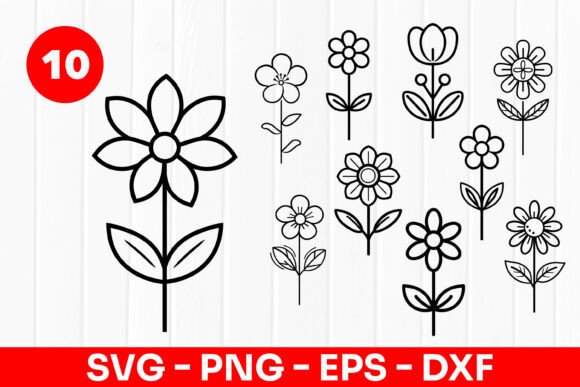
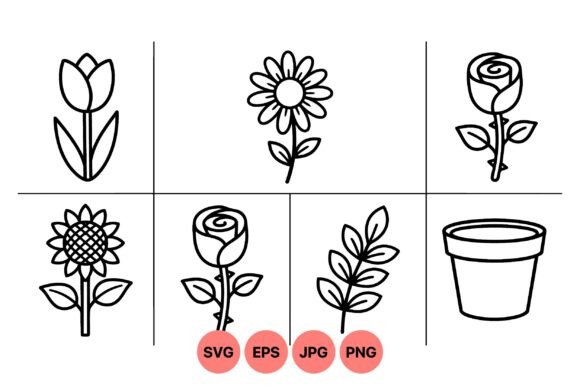
As a brand designer who has spent years helping local businesses establish their visual identity, I approach every new graphic design asset with a critical eye. We are not just looking for pretty pictures; we are looking for tools that build trust, communicate quality, and drive sales. Recently, I evaluated the Minimalist Floral Line Art SVG collection to see if it could hold up in a real-world small business branding project. This set of Illustrations features minimalist black outline vector icons showing tulip sunflower rose blossom flower branch and flower pot for garden design and botanical projects in simple graphic style. The download includes a ZIP folder containing these versatile files.
My goal was to test this asset for a hypothetical but very common scenario: launching a boutique skincare line or an artisanal candle brand. These businesses rely heavily on packaging design to stand out on crowded shelves and on social media feeds. Here is my professional breakdown of how this design asset performs when applied to actual commercial work.
First Impressions and Brand Mood
The immediate feeling this collection evokes is one of understated elegance and organic simplicity. In a market saturated with complex illustrations and loud typography, the clean lines of these floral elements offer a breath of fresh air. The mood is decidedly modern yet timeless. It suggests a brand personality that is friendly, handmade, and perhaps a bit rustic or feminine, depending on how you pair it with typography.
For a local business owner, this aesthetic works exceptionally well if you want to convey purity, natural ingredients, or handcrafted care. It does not feel corporate or cold. Instead, it feels like something you would find in a high-end apothecary or a curated home decor shop. The black outline style provides a strong contrast that ensures legibility, which is crucial for product label clarity. When I first laid these vectors out on a mockup, they immediately elevated the perceived value of the product, suggesting a premium experience without needing expensive materials.
Real-World Applications for Local Businesses
One of the biggest challenges in small business branding is versatility. You need assets that can travel seamlessly from your physical product to your digital presence. This SVG design collection excels in this area. Because it is vector-based, it scales infinitely without losing quality, making it perfect for everything from tiny hang tags to large promotional posters.
- Packaging Design: The tulip, sunflower, and rose motifs are ideal for wrapping paper accents, sticker seals, or direct printing on glass jars and bottles. They add a decorative touch that guides the eye toward the brand name.
- Product Labels: For food businesses or handmade soaps, these icons can serve as subtle background textures or primary focal points on ingredient labels, provided there is enough white space.
- Social Media Graphics: As a digital product, these files are excellent for creating consistent social media graphics. You can use the flower pot icon as a frame for customer testimonials or the branch illustration as a divider between content blocks.
- Promotional Materials: Whether you are designing flyers, price lists, or menu graphics for a cafe, these elements add a layer of polish that says "professional" without being stiff.
I also found them useful for creating a cohesive brand identity. By repeating specific elements—like the single stem of the rose—you can create a recognizable pattern that customers associate with your local business over time.
Supporting Business Presentation and Trust
In the world of retail, first impressions are everything. Using a high-quality design asset like this directly impacts how customers perceive your product. A cluttered or low-resolution image can make a brand look amateurish, whereas clean, intentional line art suggests attention to detail.
When integrated correctly, these illustrations support stronger first impressions and better product recognition. They help establish a clearer visual hierarchy by breaking up text and drawing attention to key selling points. For instance, placing a delicate blossom next to a "Handmade" badge reinforces the message through visual association. This consistency builds improved customer trust and creates a more polished marketing visual overall.
Furthermore, these assets aid in emotional connection. Flowers naturally evoke feelings of growth, beauty, and nature. For a skincare brand using botanical ingredients, or a florist offering seasonal arrangements, these visuals align perfectly with the brand story, making the marketing feel authentic rather than forced.
Where This Asset Shines
Based on my testing, this collection works best in contexts where decoration enhances rather than overwhelms. It is particularly effective as:
- Packaging Accents: Used sparingly on corners or borders of boxes and bags.
- Hero Graphics: As a central element on website banners or landing pages for web design projects.
- Decorative Brand Elements: To separate sections in editorial design documents or lookbooks.
- Thank-You Cards: Adding a personal, tactile touch to printable design inserts included in shipments.
- Seasonal Packaging: Adapting the sunflower or rose imagery for summer or spring campaigns.
Areas Requiring Careful Consideration
No single asset fits every scenario. There are specific situations where this minimalist line art should be used carefully to avoid diluting your message.
Avoid using these delicate lines in formal corporate branding where authority and seriousness are paramount. Similarly, do not place them on very small labels where the fine details may become blurry or indistinguishable. If your product packaging is already crowded with nutritional information, barcodes, and legal disclaimers, adding intricate floral branches might create visual noise that confuses the consumer.
Be cautious with low-contrast backgrounds. Black outlines need a light or neutral background to pop effectively. On dark or busy textures, the lines may disappear, leading to a failed print run. Additionally, luxury minimalist brands that prefer stark, geometric aesthetics might find these organic shapes too soft or decorative for their specific needs.
Practical Notes for the Designer
If you decide to incorporate this clipart into your client work or personal brand, follow these practical steps to ensure success:
- Test on Real Mockups: Never judge a design asset solely on a white screen. Print it out or apply it to a 3D product mockup to see how it interacts with shadows and curves.
- Check Black and White Usage: Ensure the line weight holds up when converted to pure black and white, especially for embossing or foil stamping processes.
- Preview on Small Labels: Zoom in to 5% size. Can you still distinguish the tulip from the rose? If not, simplify the usage.
- Test with Brand Colors: While originally black, these vectors can be recolored. Test them in your brand’s palette to ensure they maintain visibility.
- Compare with Competitors: Look at similar brands in your niche. Does your use of these flowers differentiate you or blend in?
- Inspect Editability: Since this is an SVG design, check if you can edit the nodes to adjust proportions or combine elements uniquely.
- Font Pairing: Experiment with pairing these organic lines against serif fonts for elegance, sans serif fonts for modernity, or script/handwritten fonts for a personal touch. Avoid display fonts that compete for attention.
- Confirm Commercial License: Before using this for physical product sales or client branding, always review the terms. Ensure you have the right to use it as part of a larger commercial design project.
In conclusion, the Minimalist Floral Line Art SVG is a robust tool for creative entrepreneurs. It offers the flexibility needed for comprehensive professional branding while maintaining an aesthetic that resonates with modern consumers. For any local business aiming to elevate their packaging design and marketing visuals, this collection of Illustrations and Graphics is a worthy addition to the toolkit.